Cold mounting consumables

When it comes to cold mounting, high quality impregnation with good edge retention can be a challenge. Our range of acrylic and epoxy cold mounting resins have been designed with these challenges in mind – so you can improve the outcome and speed of your cold mounting process.
If you experience gaps around the sample edge after cold mounting, the sample will need to be reworked, adding time and cost to your metallographic process. All our cold mounting resins have been developed to ensure high edge retention – to reduce the need for rework and lower your costs per sample.
- High edge retention and minimal shrinkage for reduced rework
- Fast curing resins to shorten process time
- Low temperature curing to protect your sample
Both acrylic and epoxy resins have their strengths. Choosing the correct one can significantly improve your cold mounting process.
Which acrylic resin is best for your cold mounting process?
For simplicity and speed, especially on irregular samples
Acrylic cold mounting resins are very easy-to-use resins with short curing times. Shrinkage is limited. They are well-suited for mounting irregularly shaped samples, for routine work, or single samples.
- Good adhesion
- Low shrinkage
- Good edge retention
- Transparency
- Low viscosity
- Short curing time
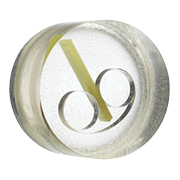
| Special applications | Edge retention / general usage | ||||
| Resin name |
ViaFix*
|
ClaroCit
|
LevoCit
|
VersoCit-2
|
DuroCit-3
|
| Application |
Vias & Microvias Excellent characteristics for filling Vias & Microvias, due to its low viscosity. |
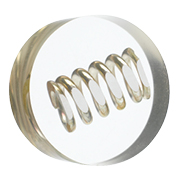
Extraordinarily clear Crystal clear mounts for universal use. Usable for target preparation, and curing under pressure will improve transparency. |
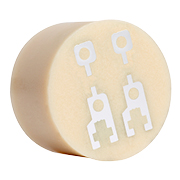
Edge retention & low temperature Excellent for non-ferrous metals and soft ferrous metals as well as heat sensitive specimens. |
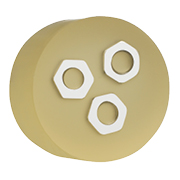
Fast - Routine Routine examination of soft to medium hard materials. |
Edge retention Minimum shrinkage and very good edge retention on medium hard and hard ferrous metals as well as ceramics, carbides etc. |
| Shrinkage level | Medium | Medium | Low | High | Very low |
| Edge retention | Fair | Fair | Good | Fair | Good |
| Removal rate | High | High | Medium | High | Low |
| Mount hardness | 83 Shore D | 85 Shore D | 84 Shore D | 82 Shore D | 85 Shore D |
| Curing time** | 20 min | 20 min | 20 min | 10 min | 30 min |
| Peak temperature | 115 °C / 239 °F | 90 °C / 194 °F | 75 °C / 167 °F | 100 °C / 212 °F | 138°C / 280 °F |
| Viscosity | Low | Medium | Medium | Medium | Medium |
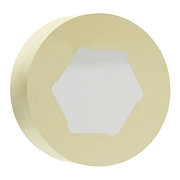
* When using diamond products or lubricants containing alcohol, the surface will be affected and the structure of the polymer beads will appear.
** 30 mm dia. mount without specimen at 21 °C / 70 °F.
Which cold mounting acrylic resin is right for you?
You can see a full overview in our consumables selection guide
Which epoxy resin is best for your cold mounting process?
For vacuum impregnation and high edge retention
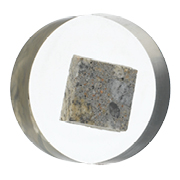
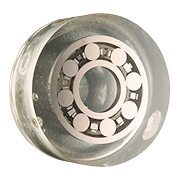
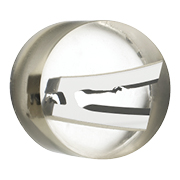
Suitable for mounting all types of materials, epoxy cold mounting resins are especially recommended for vacuum impregnation. They provide excellent adhesion to most materials and have the lowest shrinkage of all cold mounting resins. Curing time is relatively long.
- Very good adhesion
- No shrinkage
- Excellent edge retention
- Low vapor pressure
- Transparency
- Low viscosity
- Long curing time
| Edge retention / general usage | Speed optimized | ||||
| Resin name |
EpoFix
|
SpeciFix-40
|
CaldoFix-2
|
ProntoFix standard
|
ProntoFix accelerated
|
| Application |
Vacuum & low temperature Very low shrinkage and ideal for vacuum impregnation of pores and cracks. Ideal for heat sensitive specimens & cover all materials. |
Extreme adhesion Very clear mounts that cures relatively fast. Cures in oven or Drybox, while maintaining low shrinkage. |
All-round vacuum Short curing time and low viscosity for optimal impregnation. Hardest Struers epoxy mount available. |
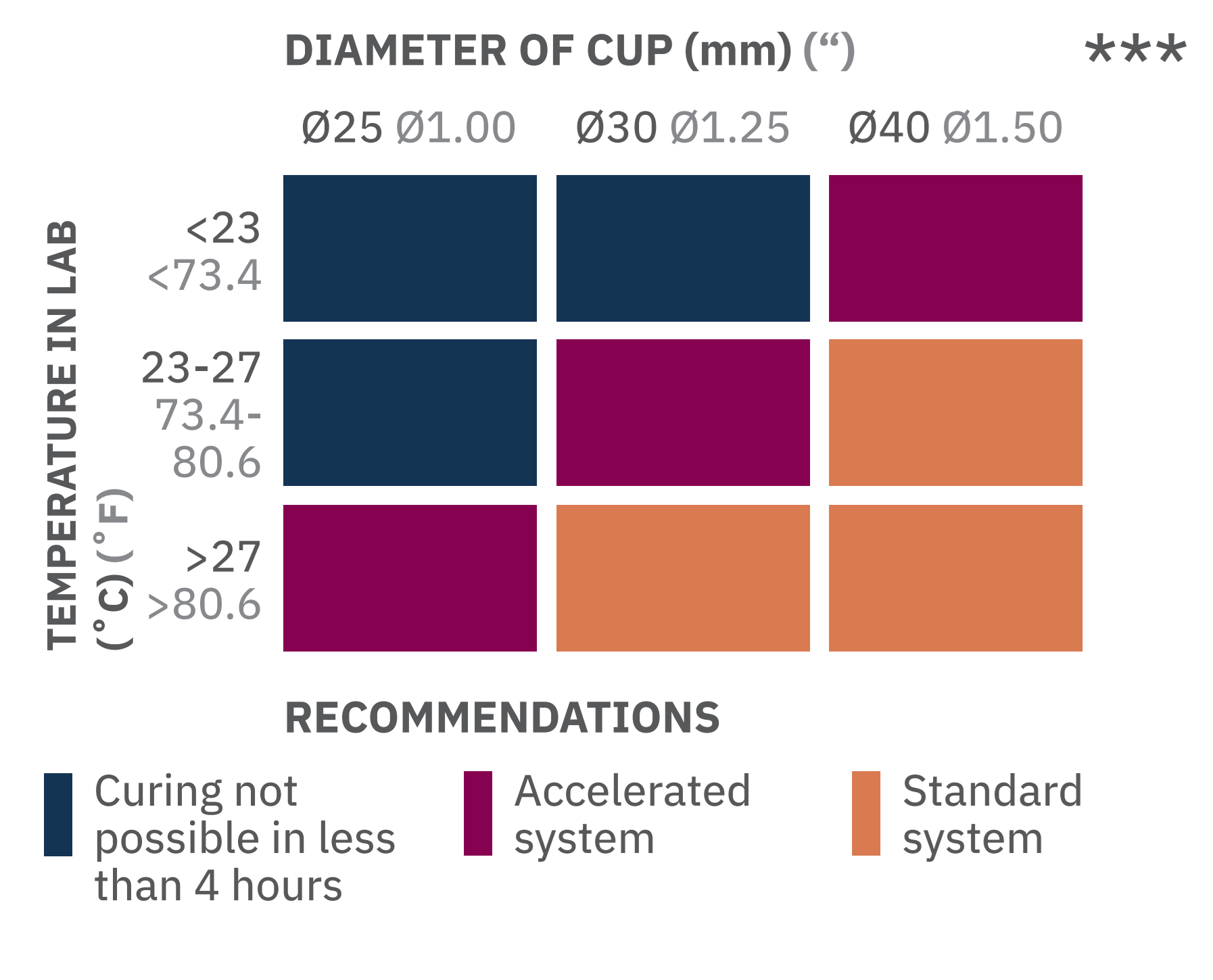
Fast without oven Speed optimized epoxy resin. Excellent adhesion and superior penetration of cracks & pores when using vacuum impregnation. Use of standard vs. accelerated version depends on mounting cup diameter and lab temperature - see table: |
|
| Shrinkage level | Very low | Very low | Very low | Very low | |
| Edge retention | Good | Good | Good | Good | |
| Removal rate | High | High | High | High | |
| Mount hardness | 78 Shore D | 82 Shore D | 85 Shore D | 83 Shore D | |
| Curing time | 12 hours* | 3½ hours* (oven at 50 °C / 122 °F) |
90 min* (oven at 75 °C / 167 °F) |
90 min** | 90 min*** |
| Peak temperature | 40 °C / 104 °F | 100 °C / 212 °F | 170 °C / 338 °F | 140 °C / 284 °F | 140°C / 284 °F |
| Viscosity | Low | Low | Low | Very low | |
* 30 mm dia. mount without specimen at 21 °C / 70 °F.
** 40 mm mount, 10% specimen volume, 25 °C / 73 °F ambient temperature.
*** 30 mm mount, 10% specimen volume, 25 °C / 73 °F ambient temperature.
You can see a full overview in our consumables selection guide

Order your resin on our webshop today
Browse, compare, and order your cold mounting consumables in just a few clicks on our Webshop. It is the simplest, fastest, and most efficient way to get the resins you need, delivered direct to your lab.

Comprehensive support for optimal results
Struers offers a comprehensive range of solutions for hot and cold mounting – all designed to boost the efficiency of your process and the accuracy of your results.

Got any questions?
If you would like to find out more about our hot or cold mounting resins, want to optimize your mounting processes, or have any other questions, fill out the form and we will get back to you.